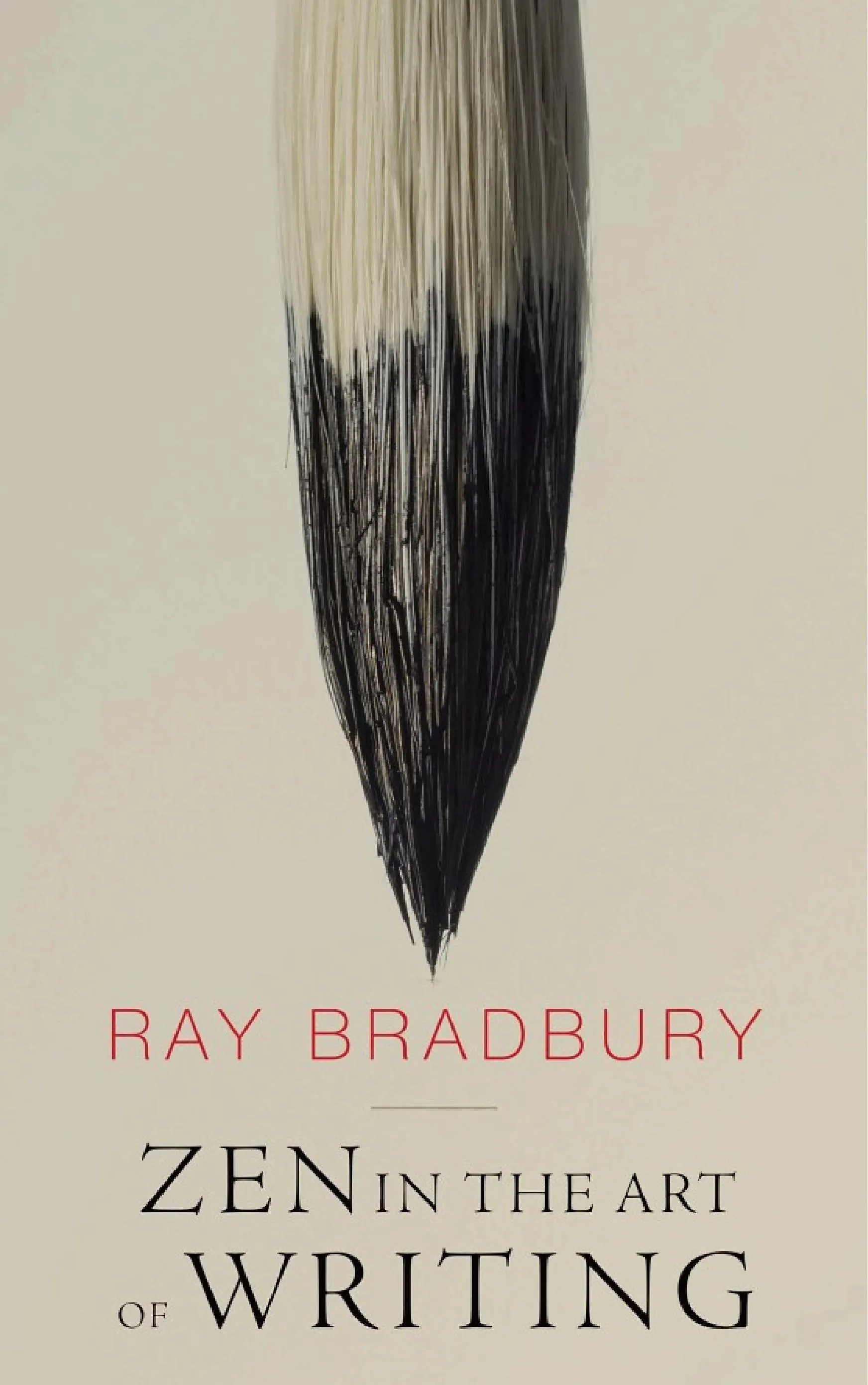
Review
This is a beautiful book, just the prose of it. It is beautifully written. The namesake essay - zen in the art of writing, talks about the work of writing. The act of sitting and typing words out, so that it becomes normal, something that gets out of the way, that becomes part of nature. And then you can write.
This idea comes from the book Zen in the art of archery. A book I’ve added to my reading list.
I loved reading the book. The first two chapters were pretty good. That’s when Mr. Bradbury talked about writing 1000 words per day. And also about how to feed and keep your muse. I loved those essays.
There is a principle I have about books I want to keep. By keep I mean in a physical sense, on a bookshelf. When I started reading, I did not care about it. I had a home, and in that home I had a bookshelf.
Things are not so certain right now. I am trying to build a home. After which would come a bookshelf. I don’t want to accumulate things I may have to abandon.
The principle I have is this - I will only keep books I know I will re-read. Books that speak to me, on some level. Books which inspire me. Books that are short (maybe).
The books I have on my bookshelf now are -
- On writing
- What I talk about when I talk about running
- Steal like an artist
- Show your work
- Keep going
- Light on the yogasutras of Patanjali
- A year of mornings
I think I will add this book to my bookshelf next.
Notes
He talks about writing a thousand words each day since he was twelve.
Make a list of things that speak to you. Things that you want to write about. Things hidden in your subconscious. Aligns, a little bit with the exercise from Bird by bird, about writing stories from your childhood.
Feed your muse.
- Read a poem a day
- Read essays - learn about the smells, sights and tastes people may feel in different places
- Read stories and novels - things you want to read and don’t.
As writers our job is to create tension, and the release that tension - build tension toward violence and then release that violence, for example.
We are teachps, being filled all the time. The trick is in how to flip ourselves and let the good stuff flow.